FAQs About Forklift Hire
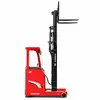
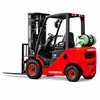
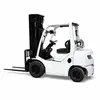
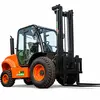
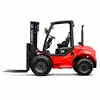
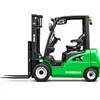
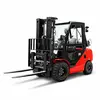
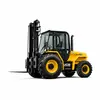
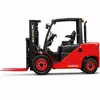
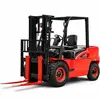
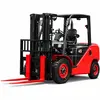
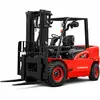
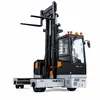
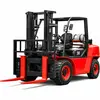
Forklifts are material handling machines that lift, move and stack palletised goods and heavy loads using a mast and forks. They're used across warehousing, transport, manufacturing and construction for loading, unloading and moving materials around a site. The right forklift depends on the load weight, the lift height, whether the work is indoors or outdoors, and the surface you're working on, which determines the choice between electric, LPG, diesel and rough terrain models. Learn more about forklift hire in our FAQ section below.
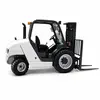
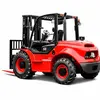
The right forklift depends on the heaviest load you need to lift, the height you need to reach, and where you're working. Lower-capacity forklifts handle general pallet work in warehouses and yards, while higher-capacity machines lift heavy industrial loads and containers. For indoor work on smooth floors an electric or LPG forklift suits best, while unsealed or rough ground calls for a rough terrain model. Our team can help match the capacity and fuel type to your job.
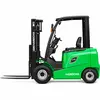
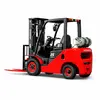
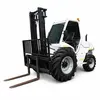
Electric forklifts suit indoor work where low noise and zero emissions matter, such as warehousing, food handling and occupied buildings. LPG forklifts work indoors and outdoors and restart quickly, suiting mixed-use sites. Diesel forklifts deliver strong performance for sustained outdoor work on firm, level ground and tend to offer higher lifting capacities. For unsealed or uneven ground, a rough terrain forklift is the right choice. The decision comes down to where you're working and what you're lifting.
Yes. Operating most counterbalance forklifts requires a high-risk work licence, class LF, in Australia. Order-picking forklifts require a separate class, LO. Some equipment, such as pedestrian-operated or remote-controlled units, may fall outside the licence requirement depending on configuration. Most commercial sites also require a verification of competency on top of the licence. Always check the licence class and site requirements that apply before operating any forklift.