Electrical Solutions for the Healthcare Industry
When the power goes out at your healthcare facility, will your back up generators work correctly and support your facilities critical power systems?
Our full line of resistive or reactive load banks provide testing capabilities for your critical care systems in a controlled, non-life threatening environment allowing you to recognize potential problems before they arise. Backup system testing on a regular basis is critical to maintaining compliance with federal requirements for healthcare facility back up power systems.

Portable Load Banks
United Rentals Electrical Solutions group can help ensure dependable operation of your backup power system through our turnkey testing systems.

100 kW Resistive Load Bank, Networkable
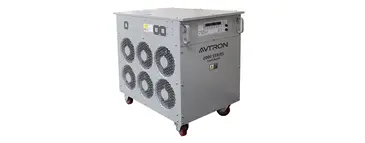
265 kW Resistive Load Bank, Networkable

400 kW Resistive Load Bank, Networkable

2,500 kW Resistive Load Bank, Networkable
Mobile Electrical Solution Systems

1,250 kW Towable Resistive Load Bank, Networkable
2,500 kW Resistive Load Bank, Networkable
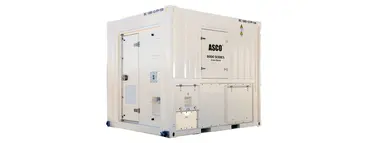
1,800 kVA Resistive/Reactive Load Bank, Networkable
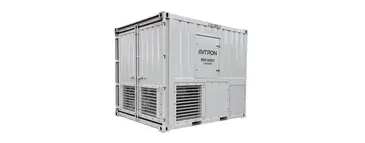
3,300 kVA Resistive/Reactive Load Bank, Networkable
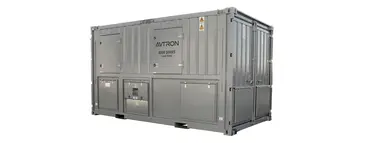
3,700 kVA Resistive/Reactive Load Bank, Networkable
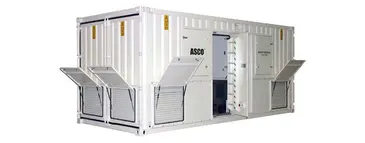
6,250 kVA Resistive/Reactive Load Bank, Networkable
Transformation and Distribution

225 Amp I-line Power Distribution Panel

5,000-7,000 kVA Step Up or Down Transformer, 5,000V to 15,000V and 480V or 600V

4,000 Amp Multi-breakered Power Distribution Panel
Healthcare System Critical Backup Power Issues
A hospital was experiencing issues with a newly installed backup generator system not running correctly. The hospital called the system manufacturer as well as United Rentals Electrical Solutions group. A United Rentals representative quickly followed up with a site visit, providing important information on testing. With a better understanding of the critical nature of the situation, the company asked United Rentals to bring in a load bank to test the backup system. The United Rentals team quickly identified multiple issues with installation.
If the tests would not have been done and the issues gone unidentified, the hospital could have potentially been out of compliance, and more importantly, patient care could have been jeopardized in the case of power failure.

