
When to Hire or Buy a Shipping Container
Choosing between hiring or buying a shipping container depends on your project duration, modification needs, and budget. This guide will help you weigh up the benefits of each option so you can confidently decide what’s best for your home, business, or worksite.
Key Considerations for Hiring a Container
- Low Upfront Cost – No large capital outlay needed
- Ultimate Flexibility – Off-hire any time after the first month
- Maintenance-Free – Repairs and upkeep are covered
- Great for Short-Term Use – Perfect for events, pop-ups or temporary storage
- Tax Benefits – Hire costs may be fully deductible for businesses
- Cost Effective Strategy – Avoids depreciation and resale risks
- Versatile Setup – Add basic modifications like shelving or ventilation
- Scalable for Growth – Add or return units as your needs change
- No Long-Term Commitment – Ideal for short to mid-term projects

Key Considerations for Buying a Container
- Ownership & Control - Full flexibility with custom modifications
- Asset Value - Containers can be resold or depreciated. If ownership is the right fit for your project, browse our range of used shipping containers available for sale.
- Perfect for Heavy Modifications - Ideal if you need plumbing, electrical, or structural changes
- Capital Investment - Suits businesses seeking asset ownership

Still weighing up whether to hire or buy?
Here's a quick comparison:
- Hire is best when you need flexibility, low upfront costs, and short-term use without the hassle of maintenance or resale.
- Buy is better when you want full ownership, plan to make major modifications, or need a long-term, asset-based solution.
Decision Factor | Hire | Buy |
|---|---|---|
Cost (upfront) | Low | Higher upfront |
Ongoing fees | Fixed monthly | Nil (but owner responsible for upkeep) |
Flexibility | Off-hire any time | Commitment required |
Heavy modifications | Limited | Fully customisable |
Asset ownership | No | Yes |
Maintenance responsibility | Included in hire | Owner maintains |
Short-term projects | Ideal | May not be cost-effective |
Long-term projects | Possible | Often better value |
Tax deductions | Possible (operational expense) | Possible (depreciation asset) |
Shipping Containers & Worksite Facilities
Sydney: 39 Heathcote Rd, Moorebank NSW 2170
Central Coast: 9 Gibbens Rd, West Gosford NSW 2250
Albury: 190 North St, North Albury, NSW, 2640
Newcastle: 2 Greenleaf Road, Portlink Close Estate, Kooragang, NSW, 2304

Shipping Containers & Worksite Facilities
Melbourne Sunshine: 195 Fairbairn Rd, Sunshine VIC 3020
Clayton: 2159 Dandenong Rd, Clayton VIC 3168

Shipping Containers & Worksite Facilities
Townsville: 742–746 Ingham Rd, Bohle QLD 4818
Rockhampton: 35–37 Johnson St, Parkhurst QLD 4702
Brisbane South: 17–23 Beal Street, Meadowbrook QLD 4131
Gold Coast: 3 Production Ave, Molendinar QLD 4214
Cairns: 104 Aumuller St, Portsmith QLD 4870
Brisbane Airport: 461 Main Myrtletown Road, Brisbane Airport QLD 4008

Shipping Containers & Worksite Facilities
Adelaide: 160 Churchill Rd North, Cavan SA 5094


Shipping Containers & Worksite Facilities
Hobart: 6 Abernant Way, Cambridge TAS 7170
Launceston: 64 St Leonards Rd, St Leonards TAS 7250

Shipping Containers & Worksite Facilities
Canberra: 33 Couranga Cres, Hume ACT 2620

Shipping Containers & Worksite Facilities
Darwin: 13 Pruen Rd, Berrimah NT 0828

Explore our range

Shipping Containers
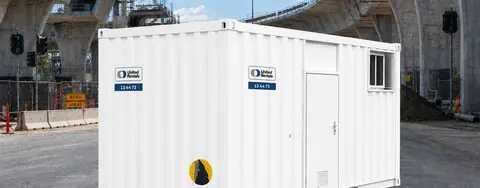
Site Offices

Refrigerated Containers
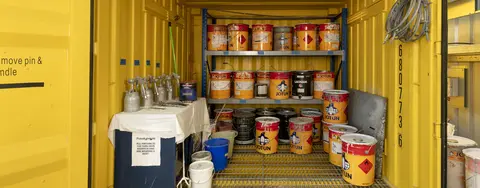
Dangerous Goods Containers
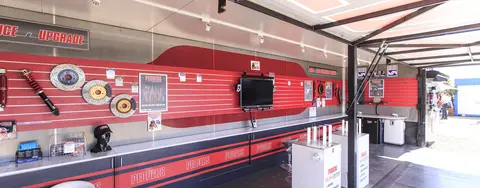
Container Modifications
Frequently Asked Questions
Buying gives you full ownership, ideal for a long term investment or major modifications. Renting offers lower upfront costs and flexible terms, great for short-term projects or when your needs may change.
That depends on your project duration and budget. If you need a container short-term or want to avoid capital expenditure, renting may be the smarter option. For permanent solutions or heavily customised builds, buying could be more cost-effective in the long run.
Yes, Royal Wolf offers containers for rent in a wide range of sizes including 20ft shipping containers, 40ft high cube units, and even specialty mobile office containers. You can choose what suits your site space and storage needs.
Rental fees vary based on container size, location, and rental period. For the most accurate quote, contact our team directly or use our comparison guide to weigh container costs against your project needs.
Absolutely. Many customers rent shipping containers first, then choose to purchase once they have more certainty. It’s a great way to trial the option for your business before committing to a long-term investment.
Yes, rental fees are often fully deductible as an operating expense for businesses. Buying, on the other hand, may allow for depreciation over time. We recommend speaking with your accountant to understand the best option for your business.
Royal Wolf rental agreements include maintenance as part of the service. Shipping containers are delivered to your site and picked up when you no longer need them. Delivery costs vary depending on location and access.
Container costs typically increase with size. A 20ft shipping container is more budget-friendly than a 40ft high cube, but the right size depends on your use case, whether it's storage units, office containers, or moving containers.
While renting offers lower upfront costs and flexibility, long-term rentals can become more expensive than buying. You also won’t gain asset value or resale value from a hired container.
Yes, terms like conex boxes, cargo containers, ISO containers, and shipping containers are often used interchangeably. They're all part of the same family of standardised container types used for transport and storage.