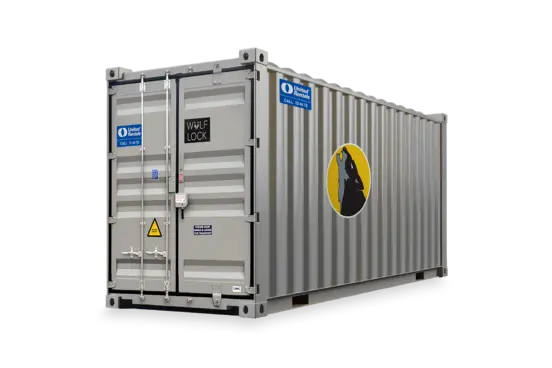
20ft Relocatable Explosive Magazine
- Cat Class:
- 925-9020


Need more details? Enquire now and our team will contact you to discuss specifications, availability and pricing.
Product description
Built for maximum safety and security, Royal Wolf’s 20ft Relocatable Explosive Magazine (REM) meets AS 2187.1:1998 standards for compliant explosives storage. With a fully insulated, timber-lined interior, this ISO-compliant container is ventilated to reduce gas build-up and features a heavy-duty steel door with dual locking mechanisms. Engineered for mining, construction, defence and blasting operations, it offers impact resistance, weather durability and peace of mind onsite. Backed by Royal Wolf’s dedicated Project Division, customers receive expert support with installation, certification and setup, making it the go-to choice for portable explosive storage across Australia. Secure explosives with Royal Wolf’s 20ft Relocatable Explosive Magazine, engineered for compliance, durability, and safe relocation.
Images are for illustration purposes only. Stock models may vary.
- Fully compliant with AS 2187.1:1998
- Ventilated, insulated, and timber-lined for safety
- ISO-certified for ease of transport
Features
Built for Compliance
Purpose-built to meet AS 2187.1:1998 for explosive storage, this container features passive ventilation to prevent the build-up of hazardous gases. Its ISO-compliant form factor ensures safe handling and seamless relocation using standard transport equipment, even across remote or challenging worksites.
Durable, Secure Construction
Manufactured with 5mm thick steel walls and a fully insulated, timber-lined interior, the container is designed to withstand harsh conditions. A 10mm thick steel door with key and manual locking mechanisms provides high-level security, while the robust external shell offers resistance to impacts and cyclonic weather.
Safety First
Engineered with personnel safety in mind, the unit includes an internal emergency door release to allow safe egress if the door closes unexpectedly. Integrated ventilation systems help maintain air quality and reduce exposure to harmful fumes during storage and access.
Project Support
United Rental’s offers end-to-end assistance, including certification guidance, footing and installation design, and site-specific compliance support. This ensures your explosive magazine is installed and commissioned safely and efficiently, no matter your location or project complexity.

Specifications
Model Specifications | |
|---|---|
External Dimensions | 6.06m L x 2.44m W x 2.90m H |
Internal Dimensions | 5.90m L x 2.35m W x 2.65m H |
Construction | 5mm steel walls, timber-lined, fully insulated |
Door | 10mm thick steel with dual lock system |
Compliance | AS 2187.1:1998 |
Form Factor | ISO-certified for transport |

The Royal Wolf 20ft Relocatable Explosive Magazine
Options
- Storage racks and adjustable shelving
- Access ramps
- Enhanced locking systems
Suited for
- Explosives storage and blasting operations
- Mining and quarry sites
- Military and defence use
- Civil and construction projects
- Remote or rotating job sites

20ft Relocatable Explosive Magazine FAQs
Yes. Our containers are engineered for the storage of high explosives and low explosives, provided that materials are stored in accordance with their class of explosive material and all applicable safety regulations.
While primarily designed for explosives, these units may be adapted for limited hazmat storage applications if fitted with appropriate internal modifications and certified to relevant standards. For Class 3 or 5.1 chemicals, consider using our dangerous goods containers.
Yes. Security is a top priority, and optional access control enhancements such as key management systems and reinforced locking mechanisms can be added to support restricted entry and user accountability.
With a 10mm steel door, dual locking mechanisms, and optional padlock boxes, this container offers trusted security storage for high-risk materials on-site or in transit.
No. Explosives and corrosive substances must never be stored together. For corrosive cabinets or bunded chemical storage, use a dedicated dangerous goods container compliant with chemical segregation requirements.
Although the container is not designed for liquid retention, it can be fitted with sealed flooring or bunded trays where spill containment is a concern—for example, when storing detonators with minor chemical components.
Yes. These units can work alongside other modular buildings, including site offices or workshops, to create a cohesive site compound. They are relocatable, stackable, and designed for functional integration.
As fully ISO-compliant transport magazines, they are designed for ease of loading, relocation, and deployment across project sites using standard lifting equipment.
Yes. We can supply separate or compartmentalised magazines for the storage of different explosive types, including accessories like detonators, boosters, or blasting agents, based on customer requirements and safety classifications.
An explosives storage magazine is a highly secure unit designed for the storage of explosive materials, offering enhanced ventilation, insulation, and safety features. Unlike standard storage buildings, these units are compliant with AS 2187.1:1998 and built specifically for the safe storage of hazardous substances.
These units are engineered for outdoor storage, with a heavy-duty steel exterior, impact resistance, and ventilation suited to Australian conditions. They are ideal for remote sites and exposed environments.
While the container supports safe temporary holding, the actual disposal system for explosives must comply with state and federal regulations and is typically managed by licensed disposal contractors. Our Project Division can advise on compliant interim storage practices.
United Rentals provides a custom solution service through our Project Division, offering tailored layouts, modified access points, or integration with other site infrastructure to meet unique storage requirements.
No. Controlled substance storage and flammable storage (such as fuel or chemicals) require a different container type, typically a bunded dangerous goods container designed to store Class 3 substances under AS 1940. Use this container only for Class 1 explosives.
While not a traditional dry box, this unit can complement smaller mobile boxes by acting as a base for temporary storage of larger quantities. It’s ideal for staging explosives safely on-site.
Yes. The unit meets or exceeds the requirements of AS 2187.1:1998 for explosive magazine storage and is ISO-certified for transport and site safety integration.
No. This container does not include emergency showers or eyewash stations, as they are not typically required for solid explosive materials. If your site includes chemical handling, these should be installed separately as part of your broader safety plan.
Yes. These magazines can be placed within larger compounds that include protection equipment, fencing, signage, and bunded areas. We can advise on layout and compliance during installation planning.
Related Products
Not what you're looking for? Explore similar items and recommended attachments below.
-
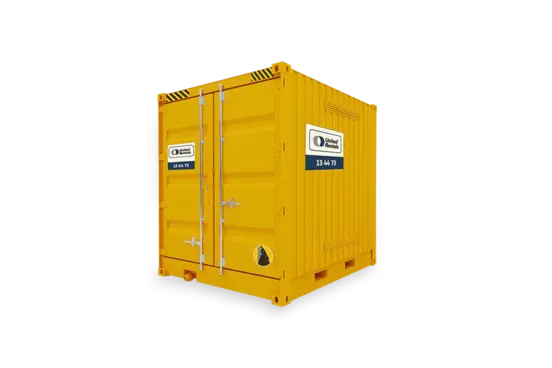
10ft Dangerous Goods Container
-
20ft Dangerous Goods Container 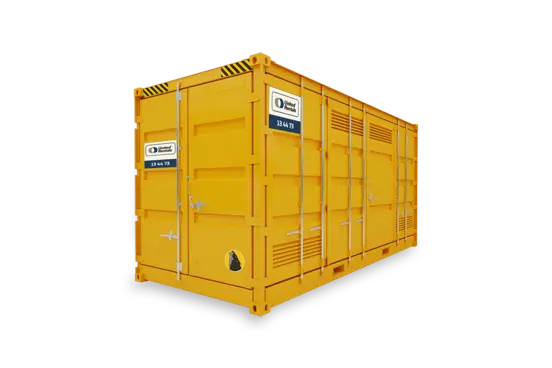
-
20ft First Aid Rooms 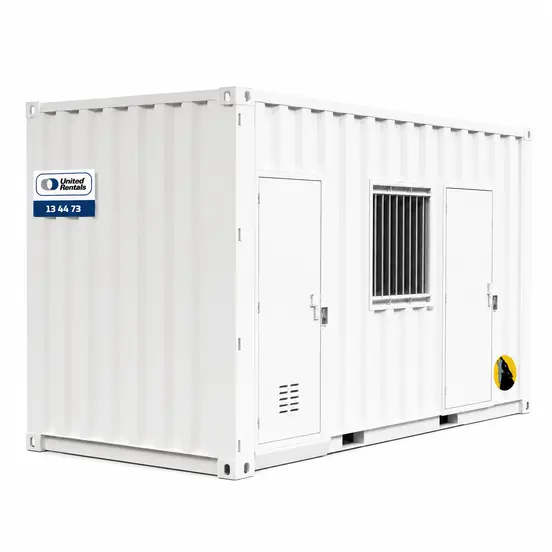
-
20ft Portable Offices 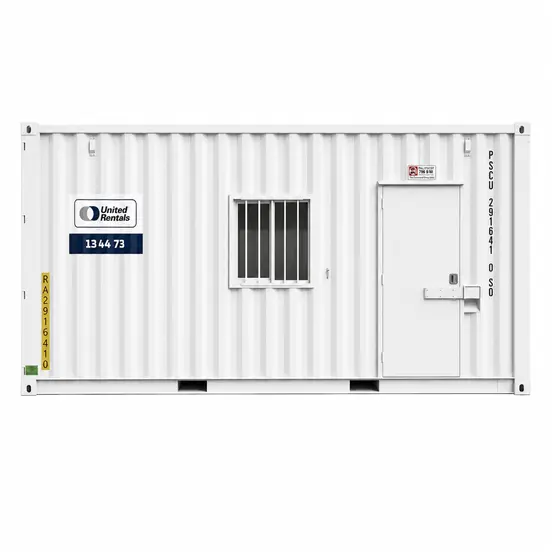
-
20ft Wolf Lock Shipping Container